

Titled Property in the Osa Peninsula: Understanding Your Rights

By Jeff Lantz | 35-Year Osa Veteran & Founder of Osa Land Office
A LEGACY OF OWNERSHIP: Buying and owning property in Costa Rica or any foreign country can be a confusing and intimidating process. The desire to make good decisions isn’t enough; you have to educate yourself along the way. I’ve spent over three decades helping people navigate the specific nuances of Titled Property in the Osa Peninsula, ensuring their tropical investment is a sanctuary, not a liability.

Can I just leave everything up to the lawyer? What are my rights as a foreigner? Can squatters invade my land? Is there such a thing as zoning? These are the questions that define your success here. While the system isn’t perfect, it works well for those who follow the rules. Thousands of foreigners have safely invested here, and you can be one of them.
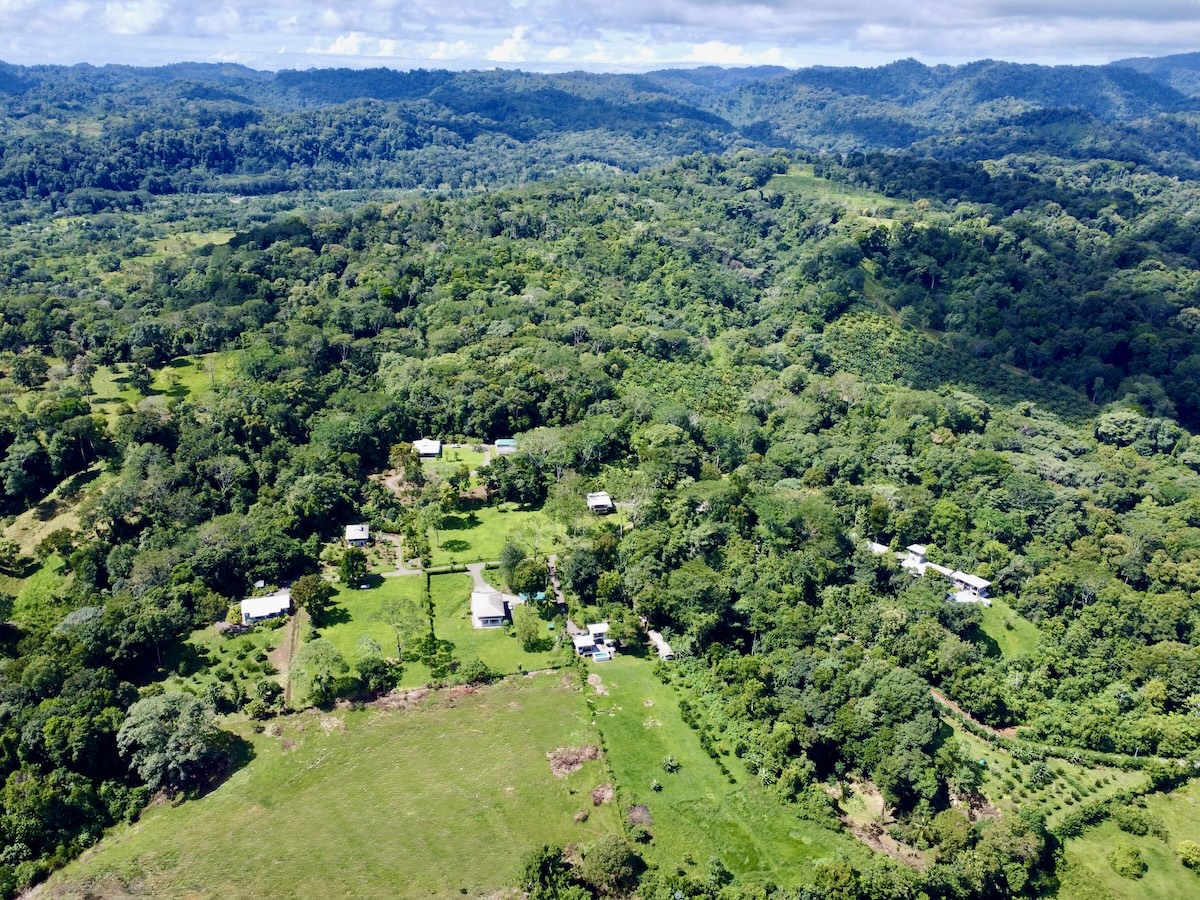
Titled Property Osa Peninsula Drone View
The vast landscape of the Osa requires a clear title to ensure your piece of paradise is protected.

THE 2025 REALITY: YOUR RIGHTS AS A FOREIGNER

The Costa Rica constitution guarantees equal rights to private property to both nationals and foreigners. All Titled Property in the Osa Peninsula is recorded in the National Registry and is public record. This transparency is what allows Costa Rica to stand out as a safe haven for international capital.

All titled property has a corresponding survey or plano which is also public record. The survey shows important and useful information regarding the land’s footprint. Basically, you need to make sure the survey is updated to reflect current zoning and restrictions—this goes for all private property, both titled and possession land. For official government guidelines on titling and urbanism, you can consult the INVU Titling Division.

TITLED VS. POSSESSION PROPERTY
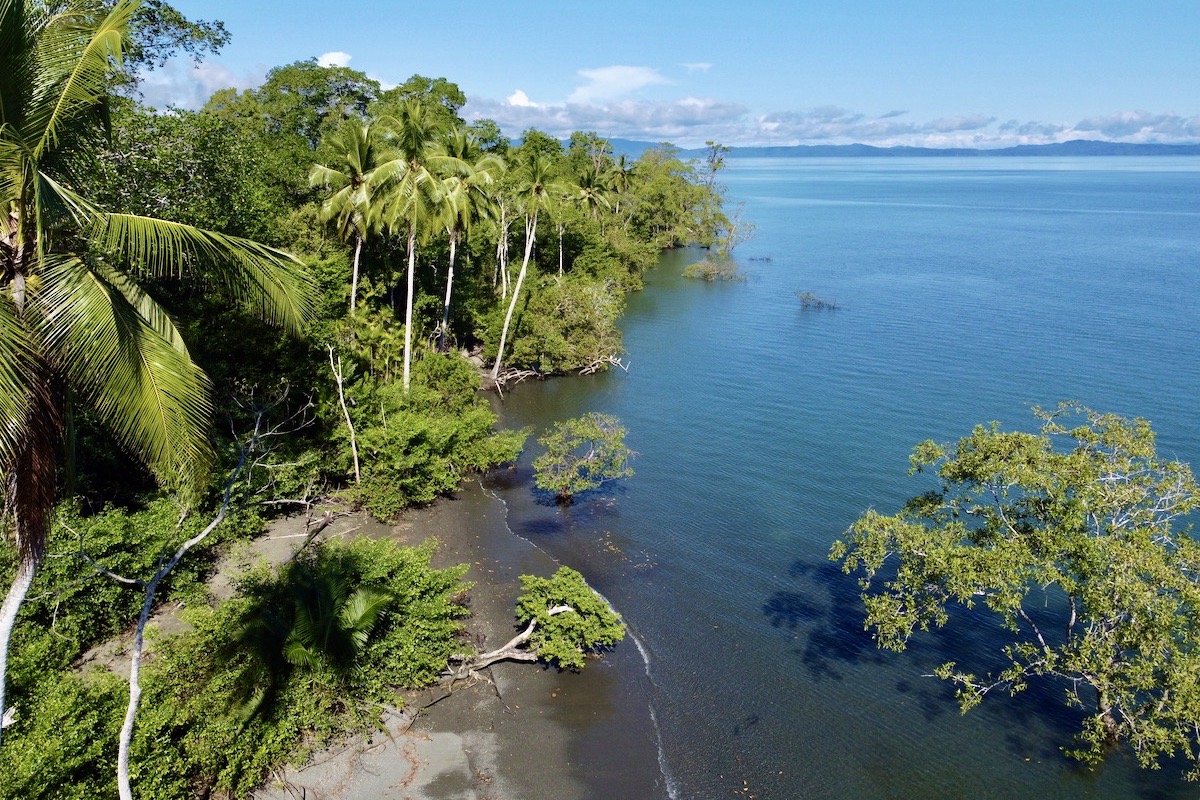
Osa Peninsula Real Estate Titled Land Drone

Every titled parcel must have a registered ‘plano’ (survey) that matches the National Registry records.

While titled land is the goal, there is still a fair amount of land today that is un-registered, without public title, still owned by “right of possession.”

  • The Bill of Sale Process
    Possession land is bought and sold by way of a private bill of sale, drawn up and notarized by a Costa Rican lawyer.
  • Drawbacks
    Although common practice, there are drawbacks to buying untitled land, and in many cases, it is not recommended for those seeking maximum security. Learn about common mistakes buyers make when evaluating these deals.
  • Squatter Management
    Homesteaders could potentially build a shack if nobody is around. By following a few basic rules—like having someone check the property—you will be fine.

EXPROPRIATION & THE STATE

Is there a risk of expropriation? As in most places in the world, laws allow the government to expropriate land for public works like roads or ports. However, for the most part, this is a non-issue. Costa Rica is no longer expropriating land for national parks.
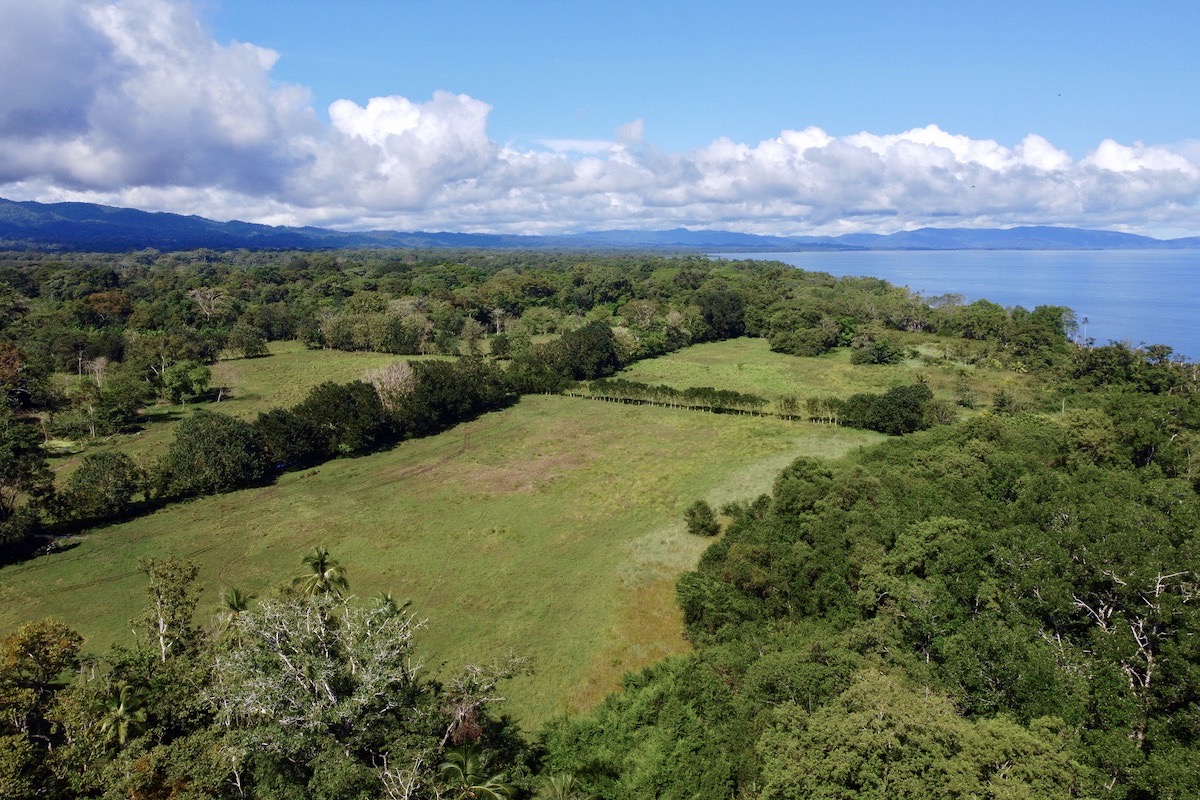
Osa Coastal Property Aerial
The Southern Zone offers unparalleled beauty, but requires technical due diligence.

BEACH PROPERTY FACTS

Success with Titled Property in the Osa Peninsula often leads buyers to the coastline. However, beach property follows a different set of rules involving the Maritime Zone (ZMT). It is vital to distinguish between fee-simple titled land and concession land.

Learn more here: Facts about Buying and Owning Beach Property

JEFF’S GROUND-TRUTH FAQ

Can a “Possession” property eventually become “Titled” land?

Yes, but it is a process called “Información Posesoria.” It involves a legal proceeding where you prove to a judge that you have held the land openly and peacefully for a specific number of years. It’s not an overnight fix, and it requires a surveyor and a lawyer who know how to navigate the local municipality. I always tell my clients: if you buy possession land, buy it for the price of possession land, not the price of titled land.

What is the single most important thing a foreigner should check on a ‘Plano’ (Survey)?

Beyond the boundaries, check for the “Uso de Suelo” (Land Use) or any notations regarding SETENA or SINAC restrictions. A survey might show 5 hectares, but if a large portion is marked as protected forest or within a 50-meter wildlife corridor, your “usable” land might be much smaller. Never assume a survey from 10 years ago is still valid for building today.

How do I legally protect my property from squatters if I am out of the country?

The law in Costa Rica protects those who exercise “possession.” To protect yourself, you must show the world that the land is being used and monitored. Fencing the property, keeping it cleared, and most importantly, having a “Cuidador” (caretaker) who is on a formal, legal contract is the best defense. A handshake with a neighbor isn’t a legal defense; a registered employment contract with INS insurance is.

Compare